Machine breakers

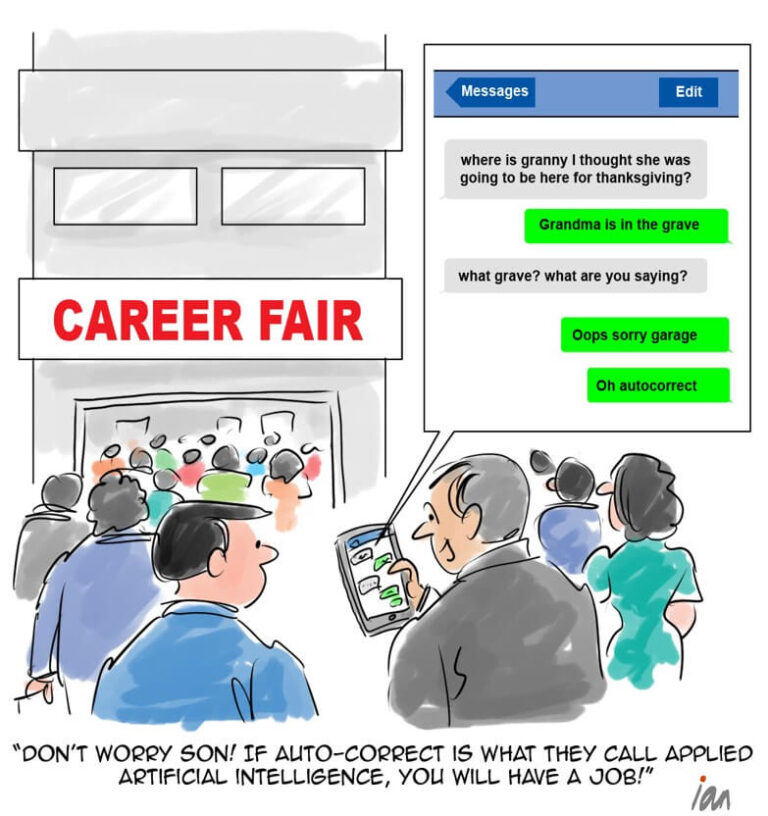
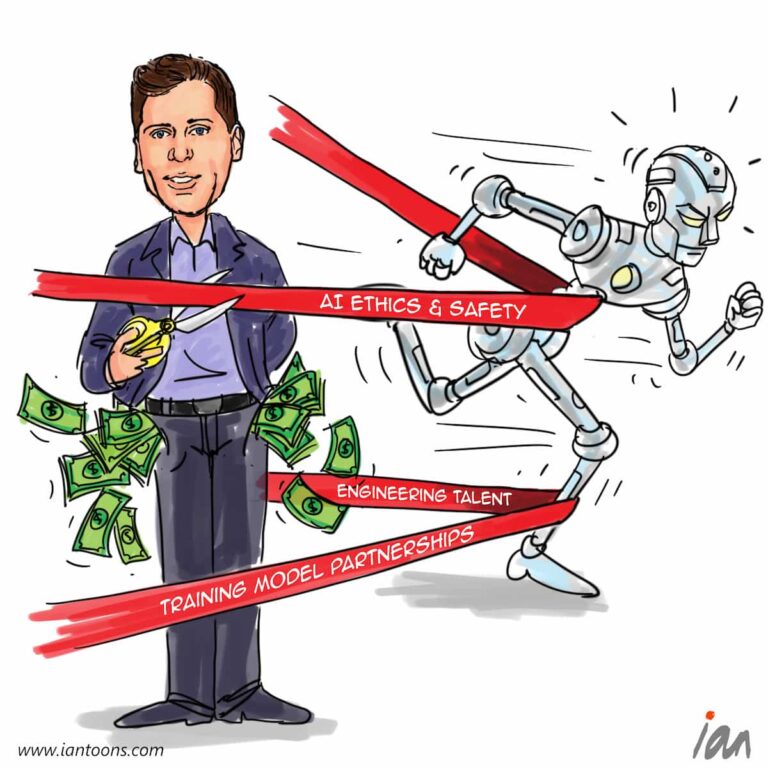
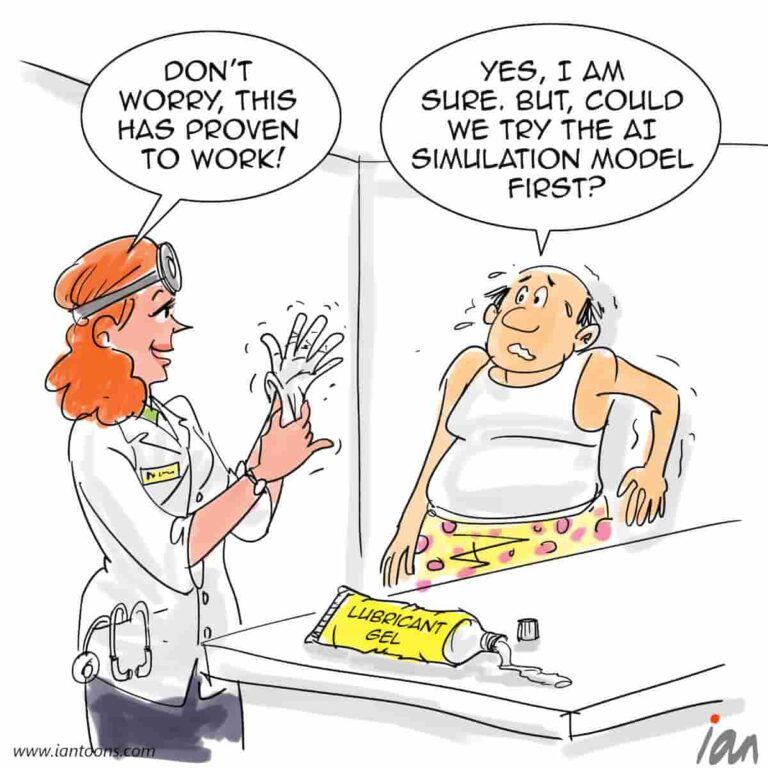
“Machine breakers” – A cartoon illustrating the predictable backlash to AI as it disrupts work, status and identity, just as earlier technological revolutions did.
Artificial intelligence is often treated as a unique technological shock. But, history shows that every major technological shift has followed a similar pattern … rapid productivity gains, economic expansion and then painful disruption for the workers caught in the transition.
Britain’s Agricultural Revolution offers an early example. Around 1700, roughly 60% of the population worked in agriculture. By the mid-1800s that share had fallen to about 22%, even as food production rose dramatically. Millions of rural workers were displaced and forced into cities. Similarly, the Spinning Jenny was one of the Industrial Revolution’s most symbolic inventions. Before it, a spinner could operate one spindle at a time. The new machine allowed a single worker to spin eight threads simultaneously, later expanding to more than one hundred. Textile output exploded, but for skilled textile workers the machine looked less like progress and more like extinction.
This fear sparked the Luddite movement between 1811 and 1816, when groups of workers destroyed mechanized looms and knitting frames across northern England. These acts of “machine breaking” were not irrational hostility toward technology. They were desperate attempts to preserve livelihoods and social status.
Artificial intelligence may repeat this pattern, but at far greater speed. For example, the McKinsey Global Institute forecasts up to 30% of work tasks could be automated by 2030.
History suggests the economic system eventually adapts. New industries form, productivity rises and wages follow. But that adjustment rarely happens within a single career. The workers displaced by early factories did not simply retrain overnight. Many never recovered their former status. The question facing the AI era is not whether new work will appear. It is how long people will have to wait for it.