Machine breakers
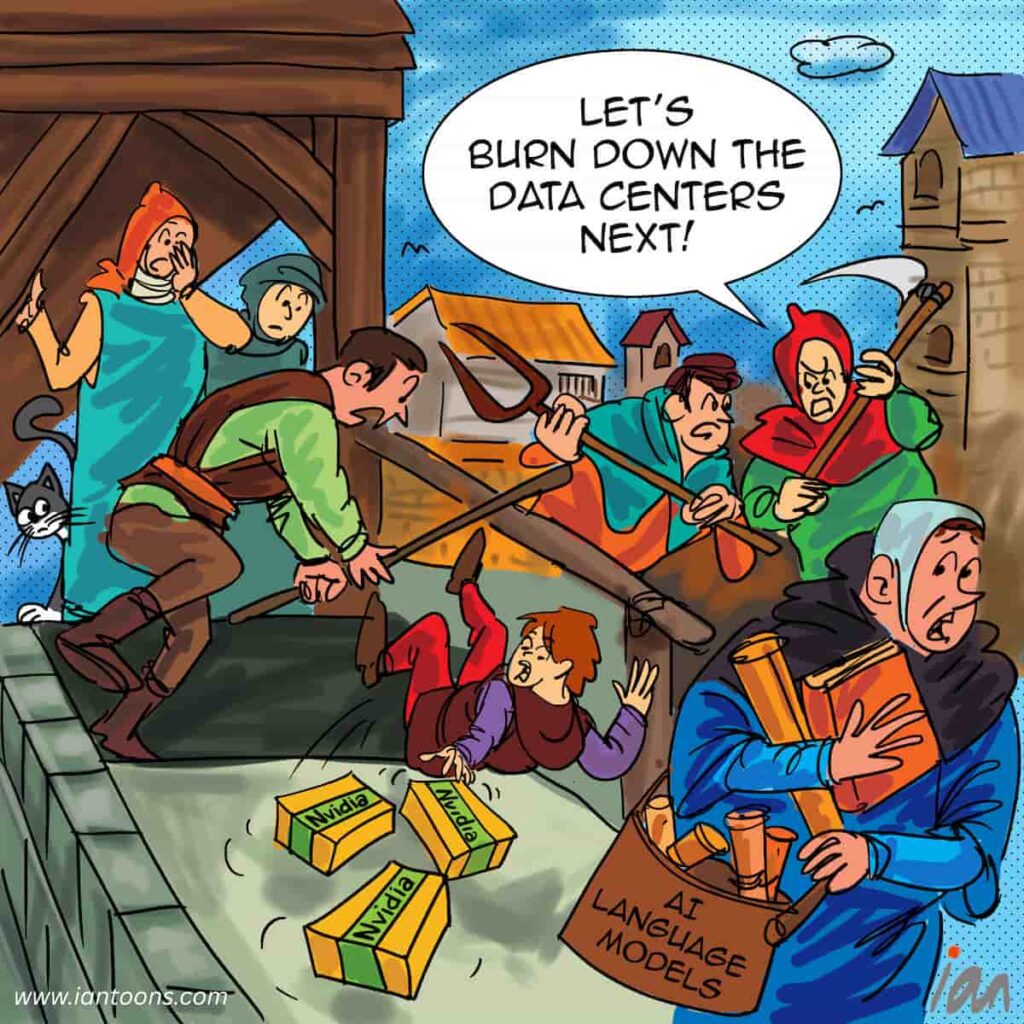
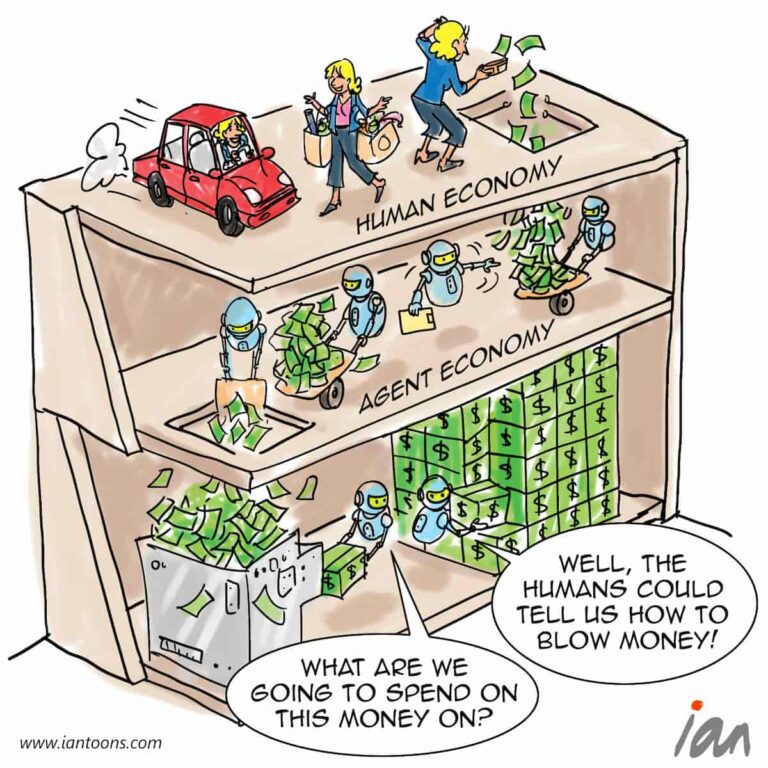
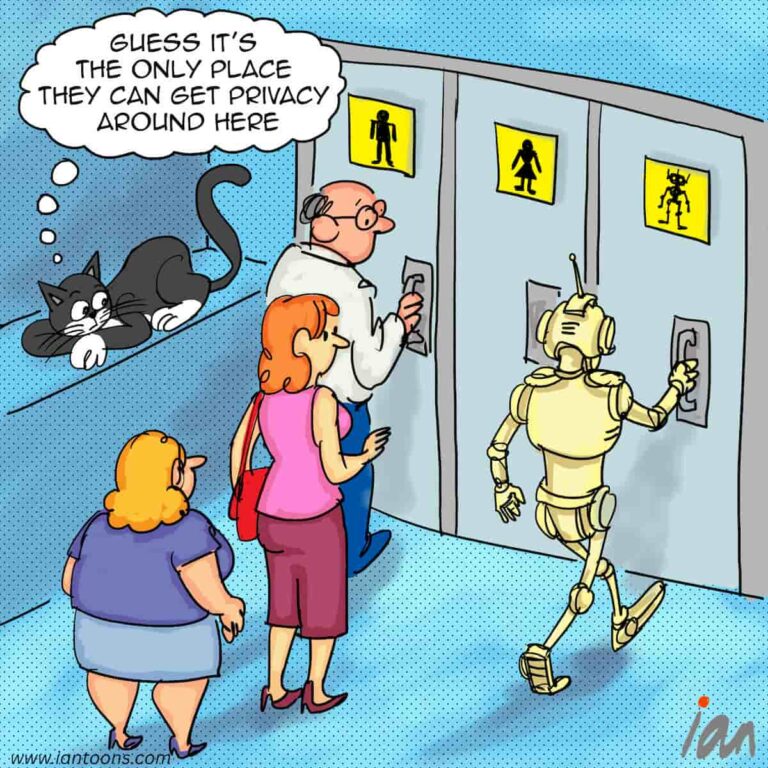
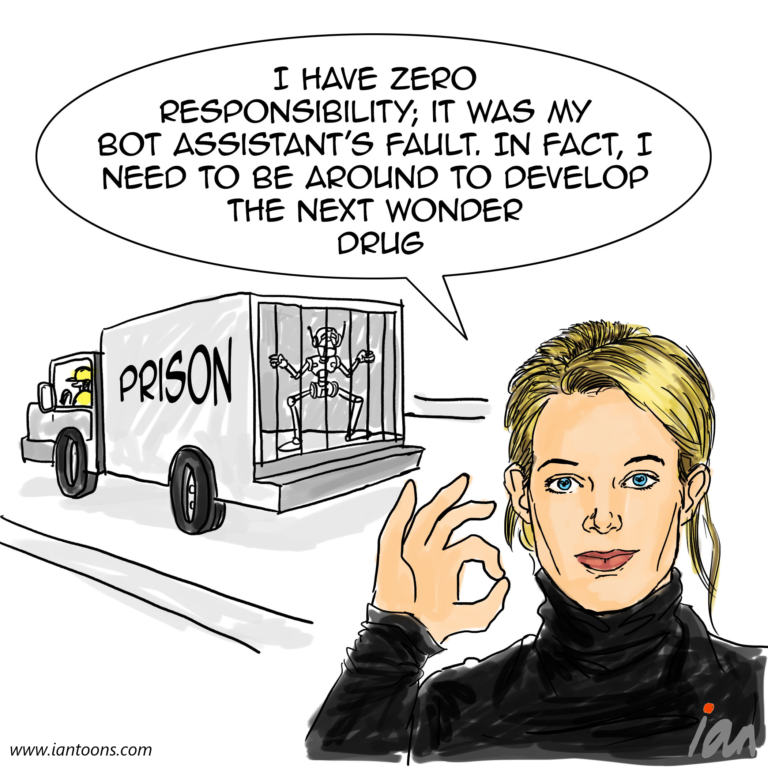
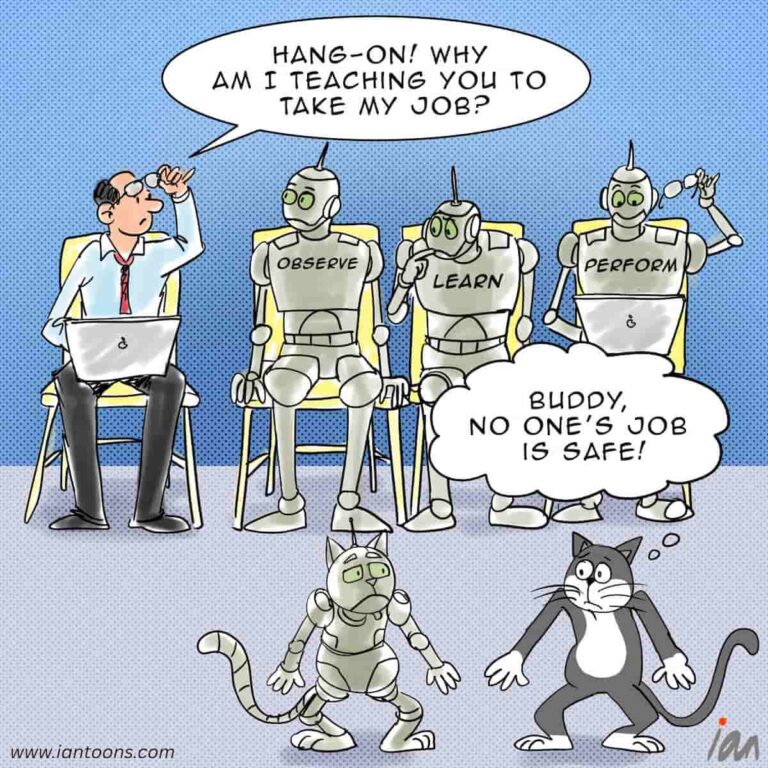
“Machine breakers” – A cartoon illustrating the predictable backlash to AI as it disrupts work, status and identity, just as earlier technological revolutions did.
Artificial intelligence is often treated as a unique technological shock. But, history shows that every major technological shift has followed a similar pattern … rapid productivity gains, economic expansion and then painful disruption for the workers caught in the transition.
Britain’s Agricultural Revolution offers an early example. Around 1700, roughly 60% of the population worked in agriculture. By the mid-1800s that share had fallen to about 22%, even as food production rose dramatically. Millions of rural workers were displaced and forced into cities. Similarly, the Spinning Jenny was one of the Industrial Revolution’s most symbolic inventions. Before it, a spinner could operate one spindle at a time. The new machine allowed a single worker to spin eight threads simultaneously, later expanding to more than one hundred. Textile output exploded, but for skilled textile workers the machine looked less like progress and more like extinction.
This fear sparked the Luddite movement between 1811 and 1816, when groups of workers destroyed mechanized looms and knitting frames across northern England. These acts of “machine breaking” were not irrational hostility toward technology. They were desperate attempts to preserve livelihoods and social status.
Artificial intelligence may repeat this pattern, but at far greater speed. For example, the McKinsey Global Institute forecasts up to 30% of work tasks could be automated by 2030.
History suggests the economic system eventually adapts. New industries form, productivity rises and wages follow. But that adjustment rarely happens within a single career. The workers displaced by early factories did not simply retrain overnight. Many never recovered their former status. The question facing the AI era is not whether new work will appear. It is how long people will have to wait for it.
29
16
3
“Across the channel in France, factory workers expressed their discontent with the machines by dropping a wooden clog – a SABOT, into the cogs of the offending machine in a practice that became more widely known as SABOTAGE.
I wonder how the knowledge workers that are replaced by AI will be wreak their sabotage??
In the meantime can we retrain call centre employees etc who had boring irritationng jobs with vocational training for jobs in Plumbing Electrical and construction?
Perhaps the creaking infrastructure in the west will finally come back to the standards of bygone years?”
“I don’t think this portrayal is entirely fair. With the Luddites, from my understanding, the issue was not a ‘fear’ of machines and progress, but outrage at the fact that skilled workers (who were proud of their craft and fairly compensated for their skills), were being replaced by low-skilled and poorly paid workers using machines. The breaking of machines was the one tangible act they could use to protest against this.”

“When those workers with skills were displaced in previous technological shifts, the new job quantities were usually smaller and less paying in favour of those who controlled the technology ie factory and supply chain owners. This cycle isn’t different . Right from medieval windmills whose benefits were captured by those in power to build castles and churches through to the Industrial Revolution whose benefits were only limited to those in power and needed colonialism and both external and domestic slavery and indentured workers. This latest technology could be seen as an attempt industrially the knowledge industry in much the same way . All the latest developments have created immense material wealth at the expense of inequality and misalignment with the other stakeholders of the planet. As the post states Ai will expose and accelerate it. This unsustainable process similar to entropy will give way to a new order . It’s the responsibility of developed leaders to lead that change rather than be witnesses or victims of it.”

“What is the best response to technological innovation? Destruction, of course!
Far more satisfying than the awful headache of having to figure out what’s going on.”
“Imho, Ai is being pushed hardest – is owned – largely by morally bereft billionaires, for whom the tech represents a value and wealth transfer mechanism.”

“. . . Or if new employment opportunities will ever materialize. The AI disruption, even if what is being hyped is only 25% true, is like nothing any society or economy has ever seen. Evangelists celebrate that AI could potentially replace nearly every cognitive and skilled job in every corner of the economy. What happens when the majority of humans become economically irrelevant, or worse, inconvenient. Listen to those who speak to the AI CEOs behind closed doors . . . They report that nearly all of them are convinced humanity is doomed and they want to be the one that delivers the intelligence that inherits our legacy. They want to be god. The nihilism and arrogance is sickening. Those who created the loom, the car, the combine, the internet, etc. were not planning or expecting humanity’s demise or to destroy civilization. That is not the case with the morally bereft people developing AI. What concerns me most is no one asked us if we wanted this. Five or six people are potentially deciding the fate of all humanity without any of us having a say.”

“Probably will be the outcome! Unprecedented times, yet we can’t even predict the weather and here we are trying to see the future… it ain’t gonna be robots in the streets! 😂”

“This is a whole different beast. We are building robots and machines that can exceed us in every physical and mental process. It will either create utopia or be our destruction.”

“your mistake is that you think it is the uneducated that are protesting AI.
Most cases it is the opposite.”
“The OP presumes a happy path. We’ve also seen false promises come to roost, so a revolt may be unnecessary. 😉”

“All i’ve seen from anti ai is a discussion in town halls, maybe you’ve seen something different.”