Market Jitters

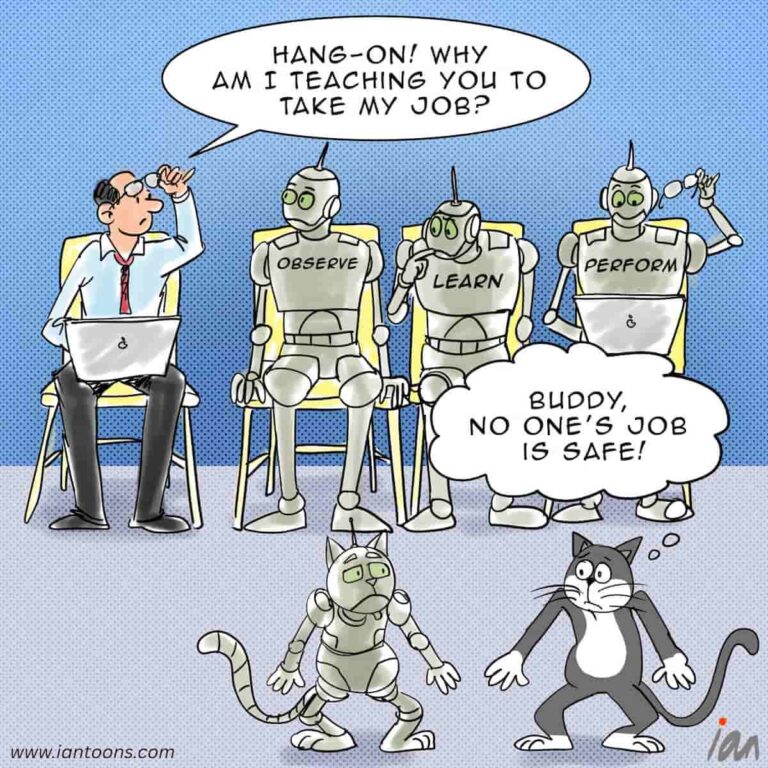
What would a 40% plunge in AI stocks do to an economy increasingly built around their success?
China offers a warning, with its AI-heavy STAR50 index losing that much in under four months, erasing roughly $480BN. Last week’s US tech selloff, including Alphabet’s 13% Thursday drop and Intel’s 29% Friday plunge, has extended into this week, deepening concerns about how much further shares could fall.
A prolonged retreat could stall data-centre construction and leave startups unable to raise funding, spreading job losses through suppliers and businesses dependent on their employees’ spending.
For Americans who have never deliberately bought an AI stock, the consequences could arrive through retirement savings. Stocks accounted for three-quarters of 401(k) assets, including 61% among participants in their 60s, leaving savers vulnerable if technology losses spread across markets.
Rising portfolios can make saving feel less urgent and encourage retirement or provide the impetus to move abroad (e.g. Portugal’s American resident population grew 36% in 2024). For anyone relying on investments, falling markets can undermine those plans while bills remain unchanged.
Writing about insurance risk in his 2001 shareholder letter, Warren Buffett offered a warning that applies equally to lives built around rising markets, “You only find out who is swimming naked when the tide goes out.”