

The Great Flattening Is Cutting the Wrong People
Why AI-era org design keeps the throughput and loses the judgment
I. The Quiet Quarter
The business press has a name for the AI-era layoffs, with Fortune calling it the “Great Flattening.” That reading is not wrong so much as incomplete, because the flattening is removing the layer where a company’s judgment was actually being manufactured, and almost nobody is pricing the loss.
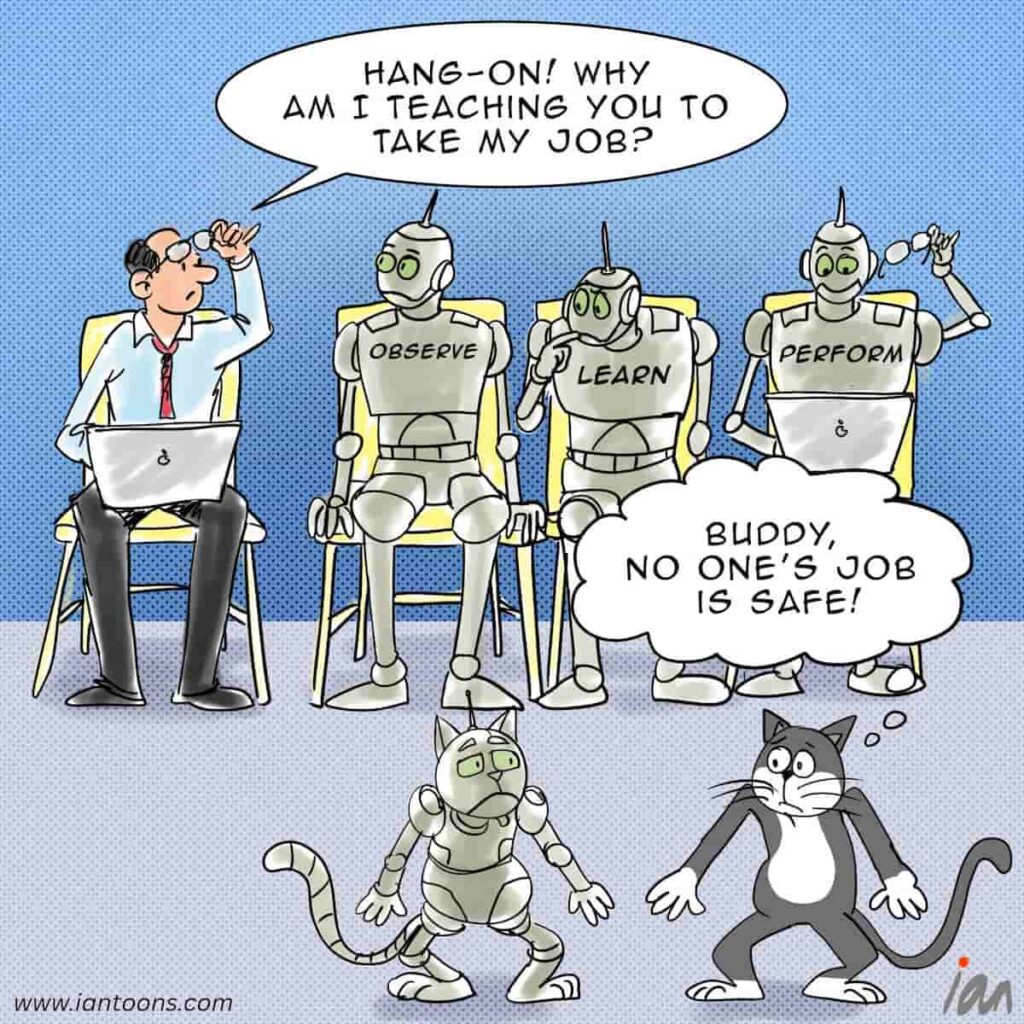
What AI is doing inside companies is subtler than the trade press describes, because it is not really swapping engineers for chatbots so much as surfacing a question organizations spent a decade carefully not answering, which is what all those people in middle management were actually doing? When Y Combinator declared 2025 the year of AI agents, partner Jared Friedman put the implication more bluntly than most investors would.
“Instead of selling to the dinosaurs, you could make them extinct.”
Jared Friedman, Y Combinator
The dinosaurs in that sentence are not just legacy banks, but the operating models of incumbent technology companies, including the firms now doing the cutting.
II. The Org Chart Is a Forecast
If you want to know where the change has settled, the place to look is the company org chart. Brian Armstrong has told Coinbase it is shifting toward “player-coaches” instead of dedicated managers, while Jack Dorsey bluntly stated:
“Today Block has maybe 5 layers of management between CEO and IC. The goal is to get that to 2 or 3 or ideally move to a world where there is no middle management.”
Jack Dorsey, Block
More broadly, Gartner expects a fifth of organizations to thin their middle-management layers. The argument for doing so was always meant to target bad management, but many companies are cutting management altogether, losing alongside the bureaucracy the people who knew how to teach early-career employees to think under pressure.
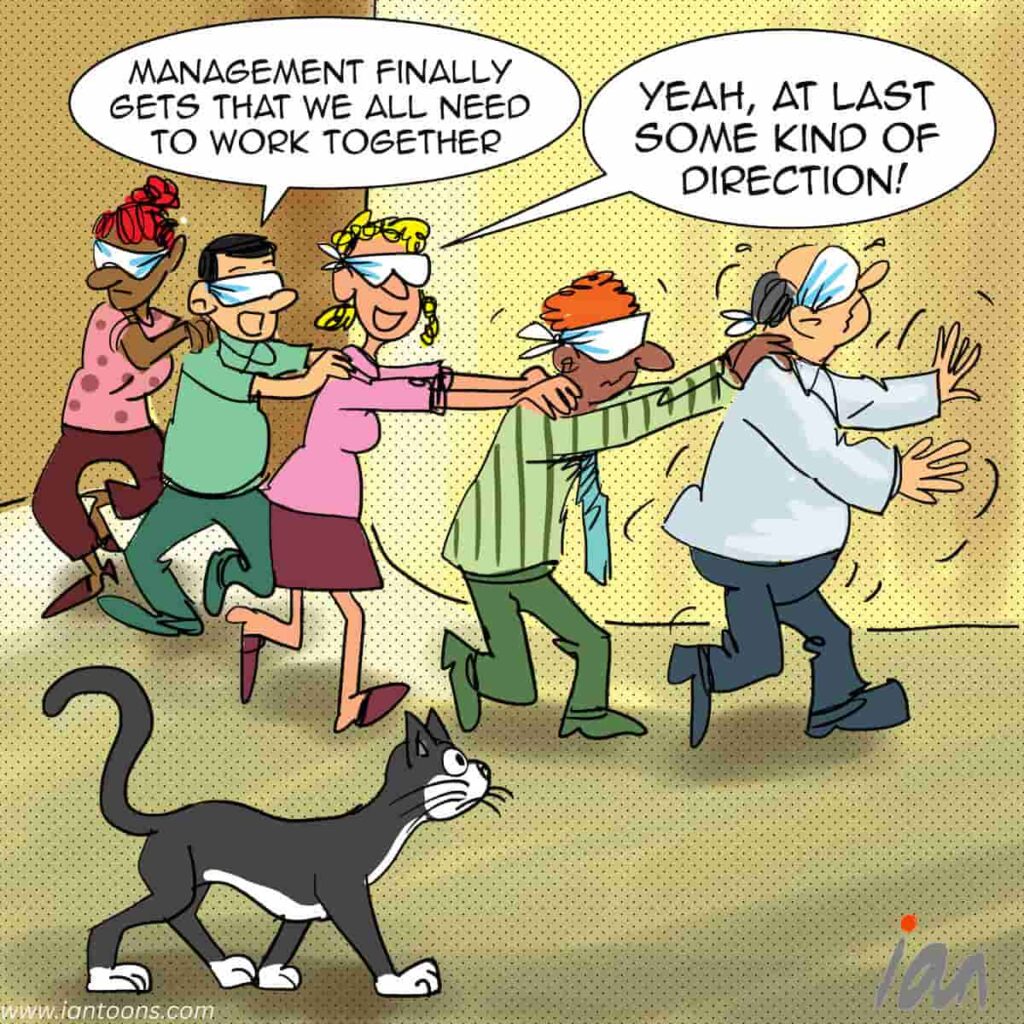
For example, Human Resource (HR) functions are compressing, with Leena AI fielding employee queries and IBM publicly stating that it has already replaced parts of its HR management function with AI. The efficiency gains are obvious, but so is the underlying shift. Companies are increasingly automating not just administrative work, but the human layers that once absorbed confusion, mediated tension, and developed younger employees through everyday interaction.
What’s being built isn’t quite a flat organization, but something stranger, where management becomes software with warm language and polished one-on-ones, while the real work of developing judgment quietly falls to whoever still happens to be left in the room.
III. The Faux Empathy Problem
The harder consequences of this restructuring are psychological, and they surface in the places where HR dashboards were never built to look. Most people in technology built their identity around the work itself, and AI is now casually competent at large parts of that work. Among even the most accomplished people, the result is a low-grade dissonance, a quiet recognition that something they spent fifteen years mastering can now be done well enough by someone who has used the tools for 15 months.
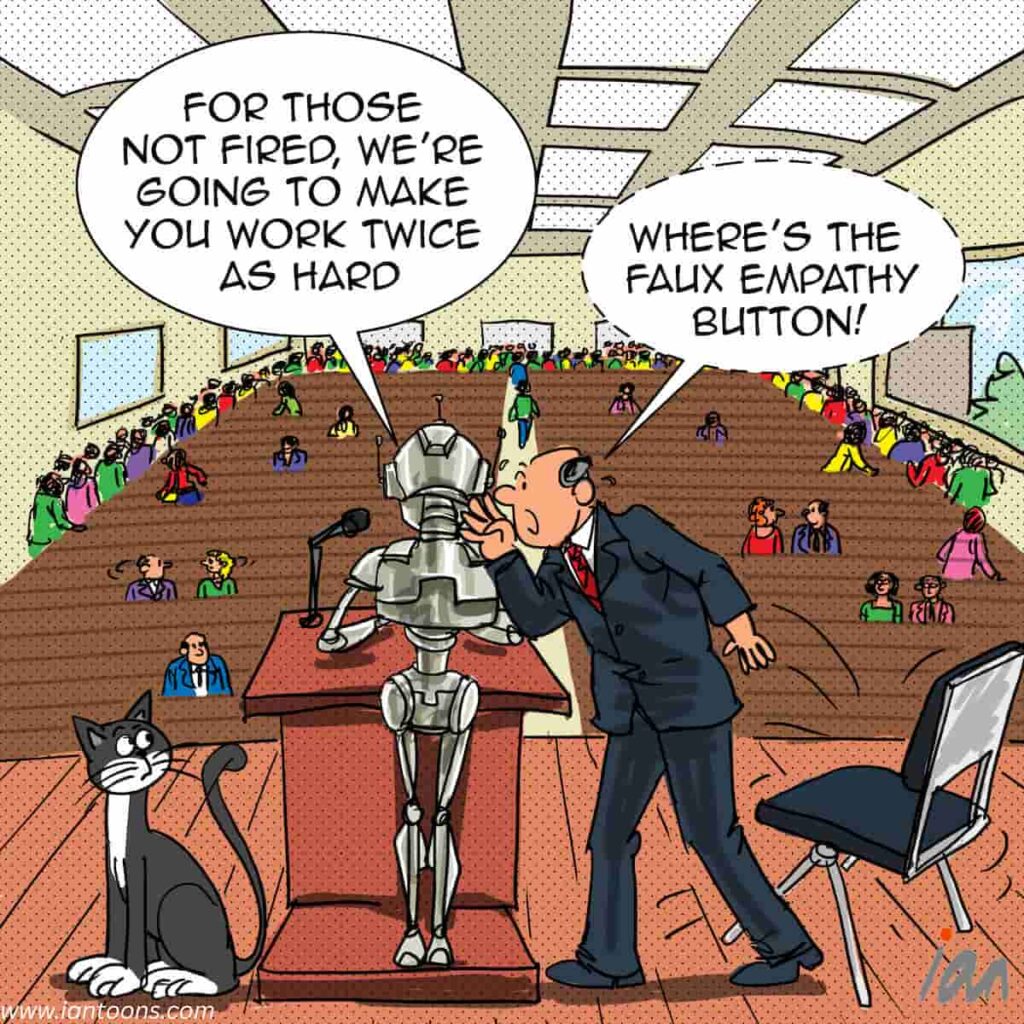
Junior employees face the inverse problem, surrounded by capability but with no clear path to acquiring it themselves, because the old apprenticeship model of knowledge work is visibly breaking down. At the same time, managers are forced to deliver the hardest message of the decade in the thin corporate language of “realignment” and “efficiency,” while workers understand perfectly well what is happening, so the careful wording lands not as honesty, but as performance.
Founders are dealing with the same tension from another angle. For years, they were taught that ambition meant scale, bigger teams, bigger org charts, bigger fundraising rounds. Now AI has compressed so much leverage that seven people can build what took seventy people in 2018, forcing an uncomfortable question into the open about whether all that scale was ever truly necessary, or whether they had started confusing the size of the company with the size of the ambition.
IV. Execution Was Never the Hard Part
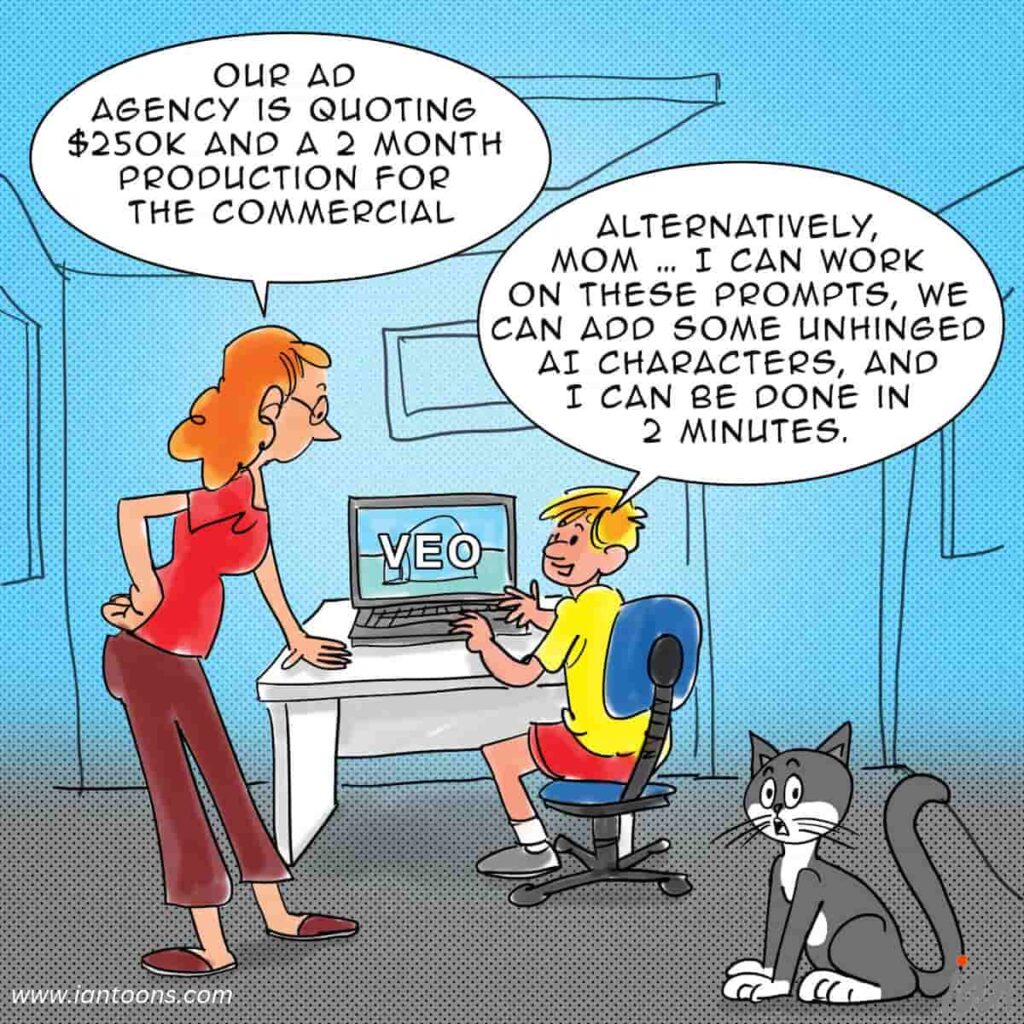
To see where companies are drawing the line, it helps to look at what AI can already do cheaply and well. In June 2025, PJ Accetturo created a Kalshi commercial for the NBA Finals using Google Veo 3 in two days for about $2,000. A comparable national TV spot would normally cost around $250,000, yet the ad still reached nearly 20 million viewers.
The trade press focused on the savings and missed the deeper shift. AI compressed the execution layer almost entirely, removing much of the repetitive work through which junior people once developed taste, judgment, and decision-making experience.
Most software companies spent twenty years treating execution as the bottleneck, and built their org charts around that assumption. Once execution becomes close to free, value shifts toward judgment, prioritization, and taste, while roles built mostly around producing output become far easier to replace.
V. The Luddites Were Right About the Timing
The instinct to treat this moment as historically unprecedented is understandable and mostly wrong. Britain’s agricultural workforce fell from roughly 60% of the population in 1700 to about 22% by the mid nineteenth century, pushing millions into cities after trades that once defined entire lives stopped being economically necessary. The same pattern accelerated again with industrial machinery like the Spinning Jenny, until the tension finally surfaced between 1811 and 1816 when the Luddites began smashing the looms.
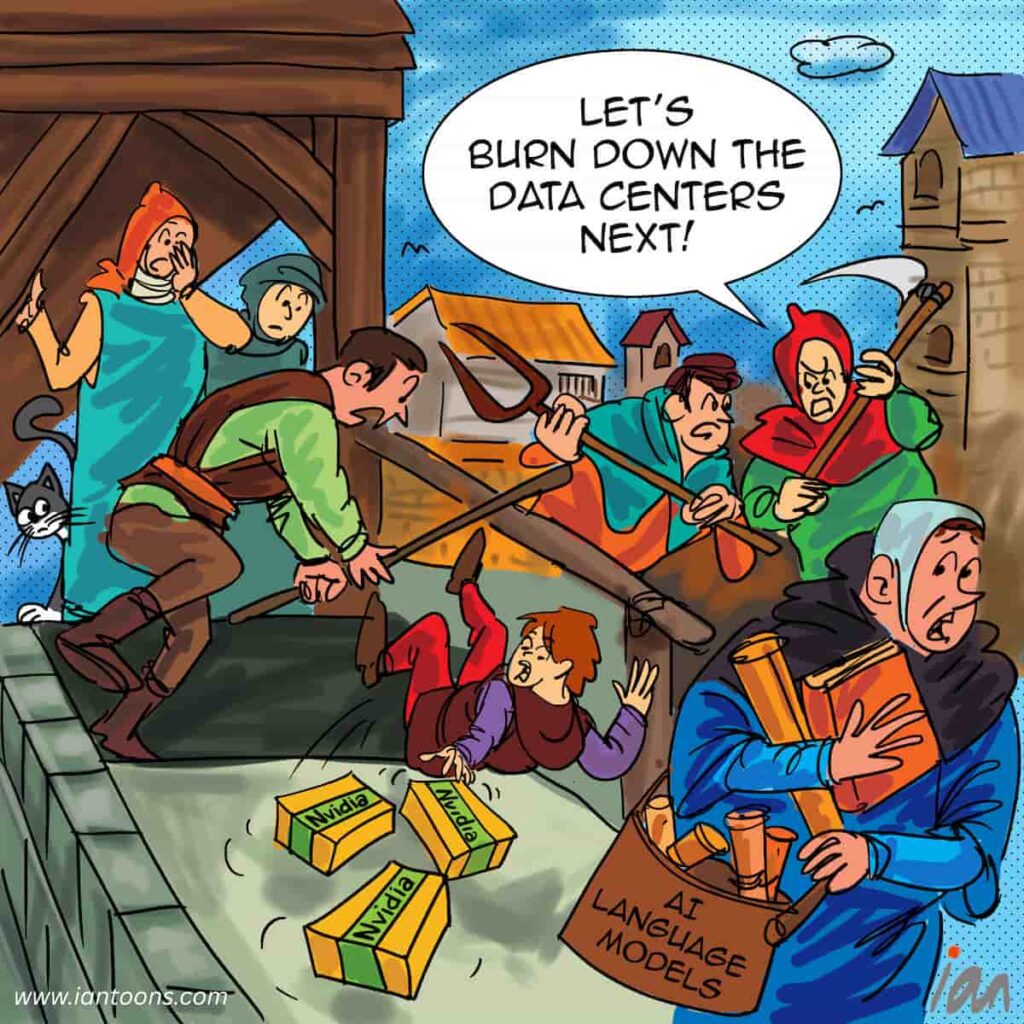
The Luddites are remembered, incorrectly, as enemies of technology when they were really skilled craftspeople watching their status and livelihoods disappear in compressed time. Their grievance was never the loom itself, but the speed of the transition measured against the length of a human career.
McKinsey & Company estimates that up to 30% of work tasks could be automated by 2030, and in aggregate the economy will adapt, as it always has, though that is little comfort to the worker caught inside the transition itself.
VI. Who’s Still in the Room?
Stripping out the middle of the org chart removes more than cost, because the middle was also the ladder. Judgment was built by handing people larger decisions and letting them fail at a scale the company could survive.
A company can remove that ladder and still look healthy for years because it is living off the judgment the old system already produced. The problem appears later, when the people who climbed it leave and nobody behind them was developed well enough to replace them.
Companies can remove the ladder and still look efficient for years. The reckoning arrives later, when the people who learned judgment under the old system are gone, and nobody behind them was taught how to replace them.